

Hive Anatomy

Home Sweet Home for Bees

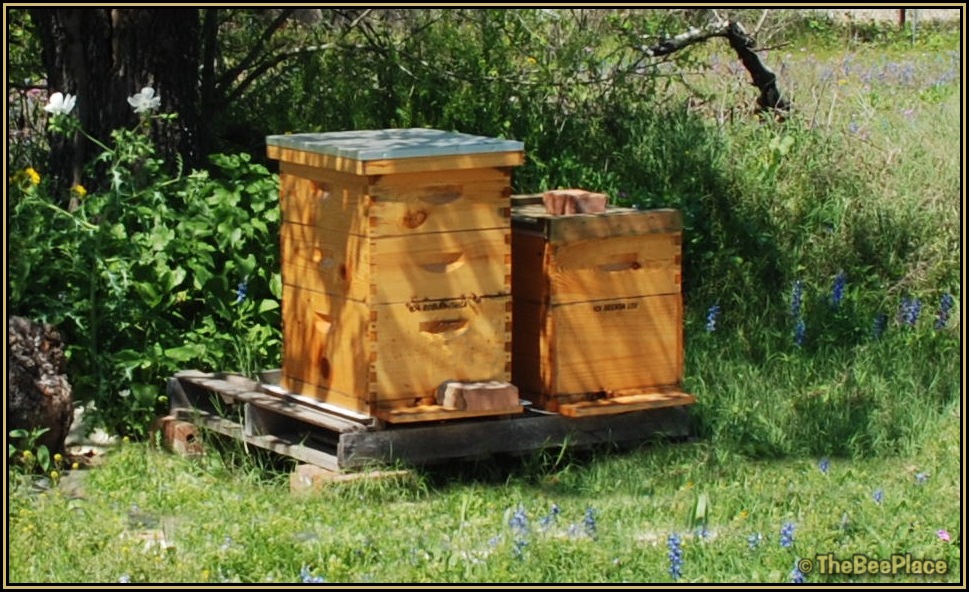

What exactly does a beehive consist of, and what are the basic considerations for assembling one after the components have been built and protected from the elements? We’ll walk through the available options and explain the variables that matter most to the bees, helping make those decisions easier for the beekeeper.
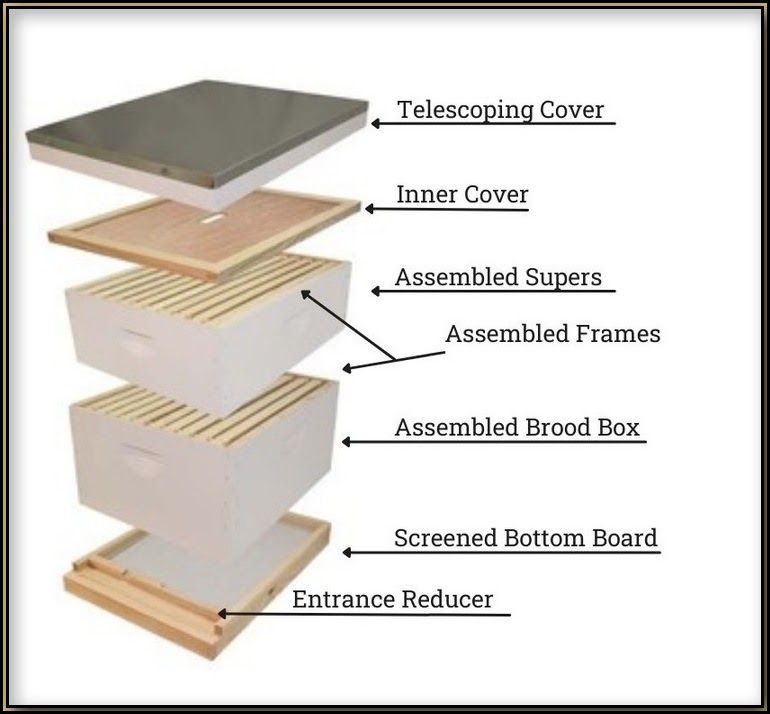
Hive systems are modular
A beehive is built as a series of individual components that work together as a single system. Additional boxes (aka hive bodies) can be added or removed as the colony grows and changes throughout the year, making the hive flexible and easy to manage.
Starting with a base unit and expanding as needed is the most practical approach. A typical setup includes a bottom board, brood box with frames, inner cover, and outer cover, with additional boxes added as the colony develops.
Beginning with a single unit, such as our Single Hive Sets, provides the base and allows room for expansion as the bees grow. Planning ahead for that growth helps keep the hive balanced and easier to manage over time.
In simple terms, adding boxes is the beekeeper’s way of swarm prevention by extending the natural tree cavity, giving the colony room to continue growing as conditions allow.

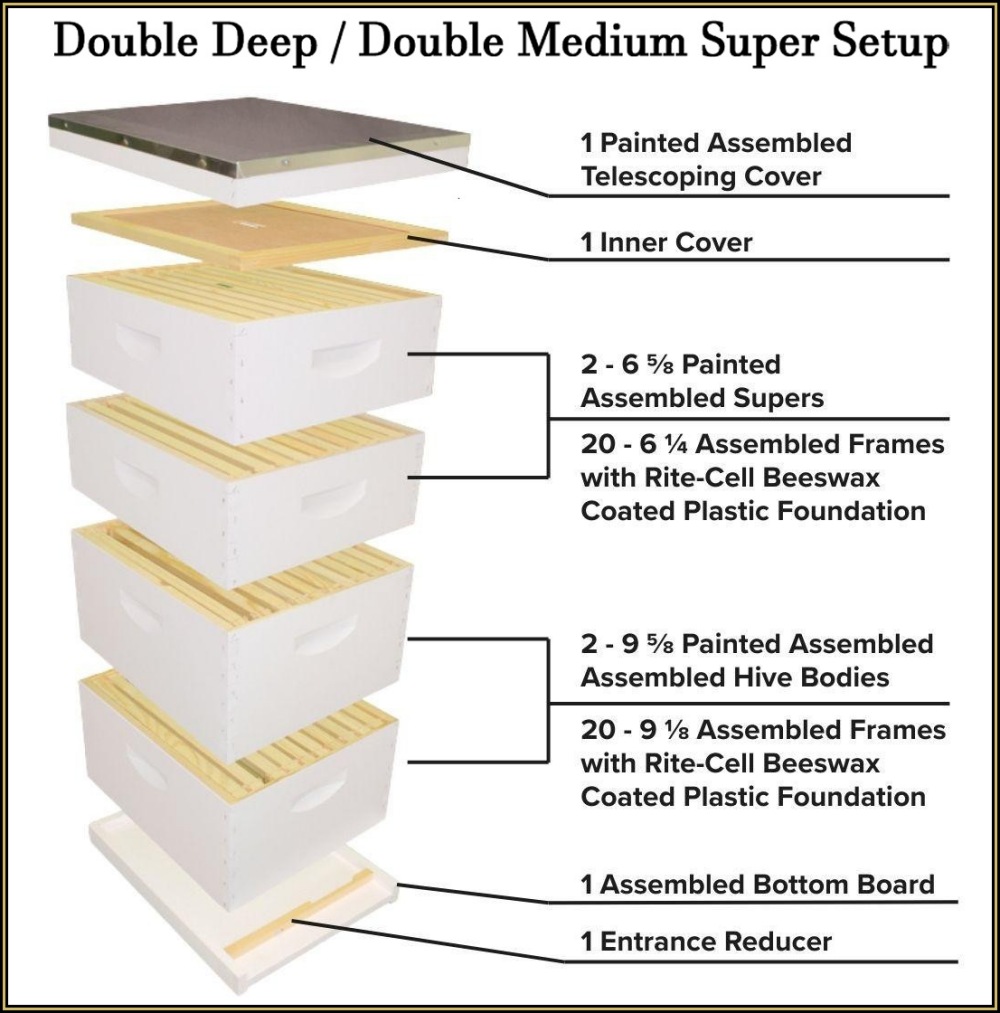
Hive size grows with the colony
As a colony develops, additional boxes can be added to provide more space for brood and honey storage. Some setups may remain small, while others grow several boxes tall depending on conditions, management goals, and what the bees bring in throughout the season.
There is no fixed limit to how tall a hive must be. The structure can be expanded when needed and reduced again when conditions change, allowing the beekeeper to adjust space in response to the colony rather than forcing the colony to fit a rigid design.
In many setups, the two bottom boxes are used as the brood chamber, where the queen lays and the colony raises young. The boxes above are often used for honey storage and are commonly referred to as honey supers.
Box sizes can vary. Some beekeepers use a mix of deep and medium boxes, while others use all one size. The bees do not depend on box size—they simply need a protected space for brood and food. The choice of configuration is primarily about what works best for the beekeeper.
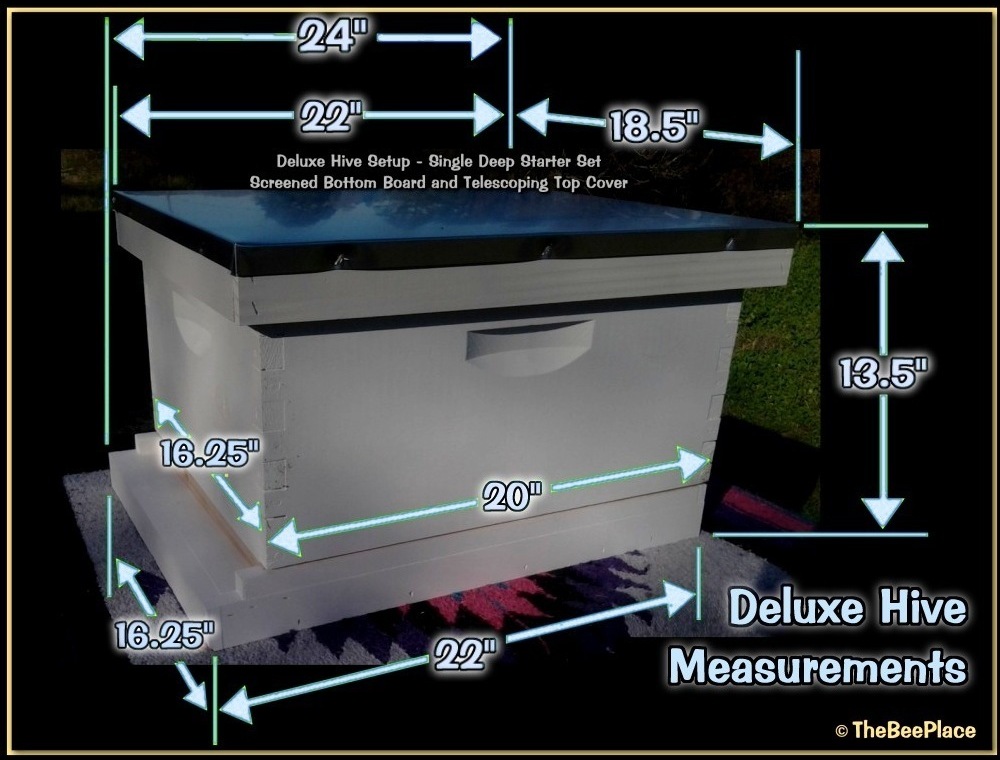
Standard hive dimensions
These measurements provide a general reference for the overall size of a typical hive setup. They can be useful when planning space for transport, building hive stands, or organizing an apiary layout.
While configurations may vary slightly, the basic footprint remains consistent enough that these dimensions serve as a reliable guide for most setups.
These measurements reflect a standard 10-frame Langstroth-style hive. Eight-frame equipment is also available (special order only), but the overall concept and layout remain the same.
Managing and securing the hive
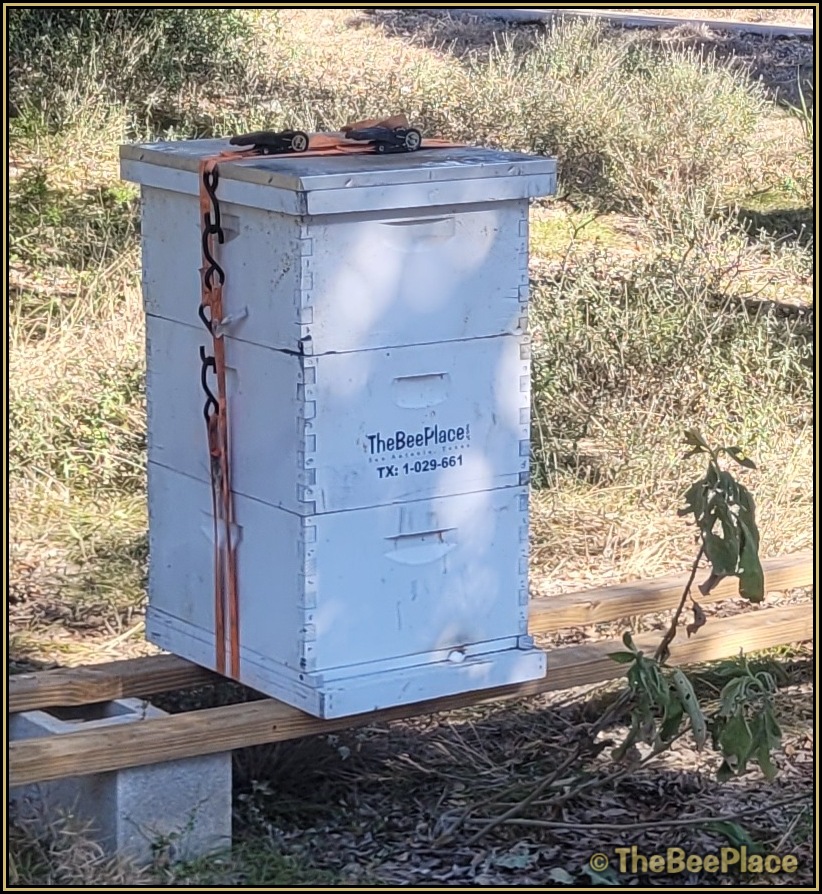
Hive components are held together by their own weight, which works well under normal conditions. In areas with strong winds or during transport, additional support may be used to keep everything aligned and secure.
Some beekeepers use straps to hold the entire hive together, especially when moving colonies or preparing for unstable weather. Others prefer placing a rock or brick on the top cover to keep it from coming off during high wind events, avoiding the need to remove straps during routine inspections. This also prevents pest like raccoons from easily investigating the contents of the hive at night when the bees are inactive.
There is no single method that fits every situation. As you gain experience, you will develop your own approach based on your environment and management style. The bees simply need a stable, protected space to raise brood and store food—the details of how the equipment is secured are up to the beekeeper.
