

Mating Nucs

Mating Nucs — Where Future Queens Prove Themselves

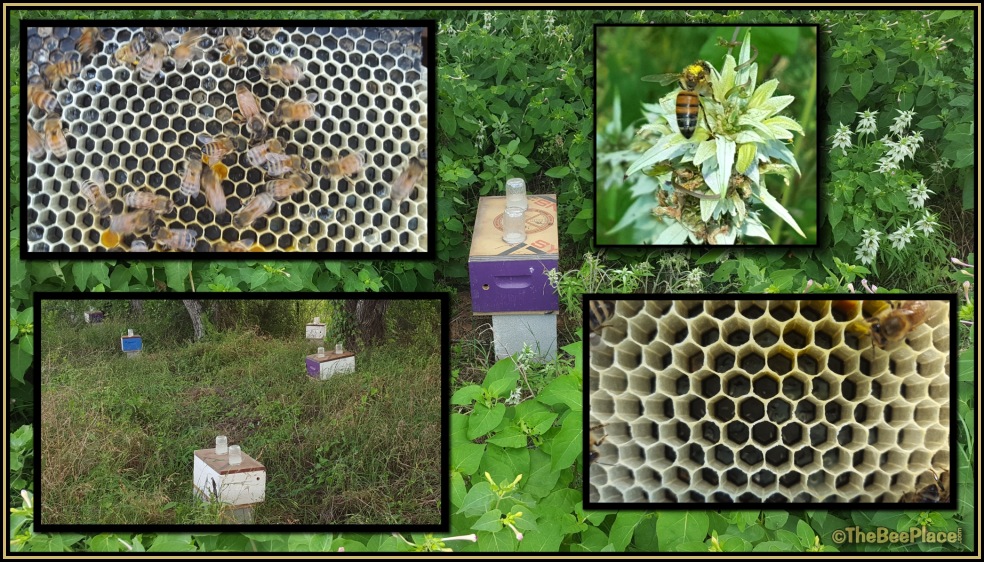

Small colonies with a big job: producing and evaluating the next generation.
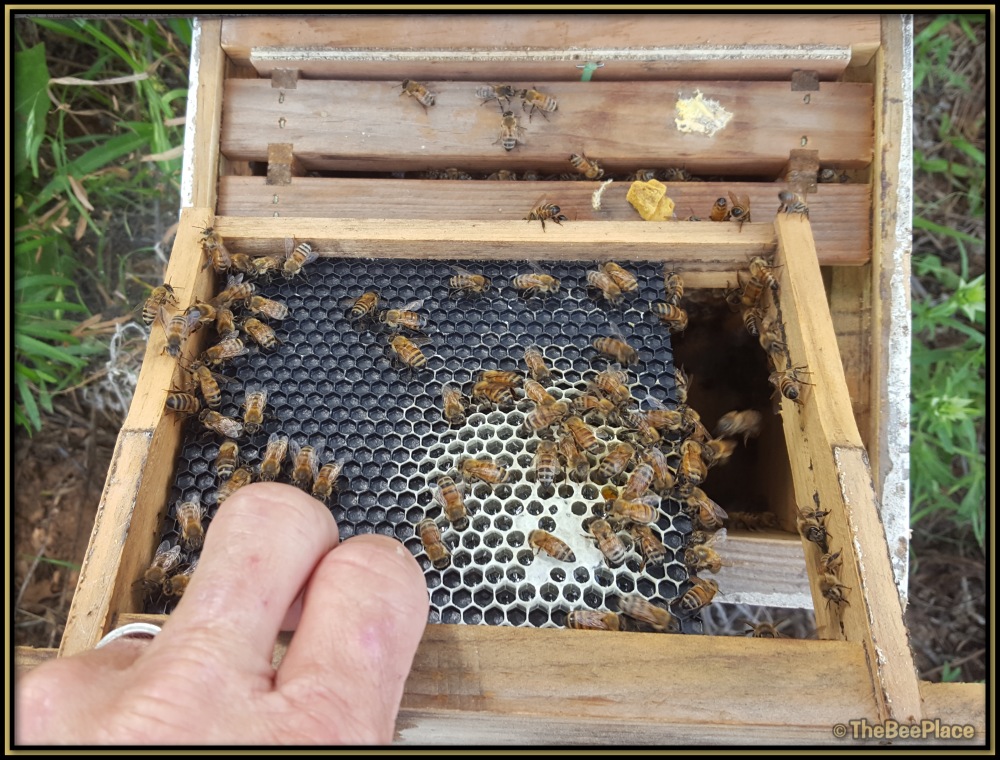
Mini Nucs
A mating nuc (short for nucleus colony) is a small, temporary colony created for the purpose of mating and evaluating a virgin queen.
Unlike a full production hive, a mating nuc contains only a few frames of bees, brood, and food stores — just enough support for the queen to complete her mating flights and begin laying.
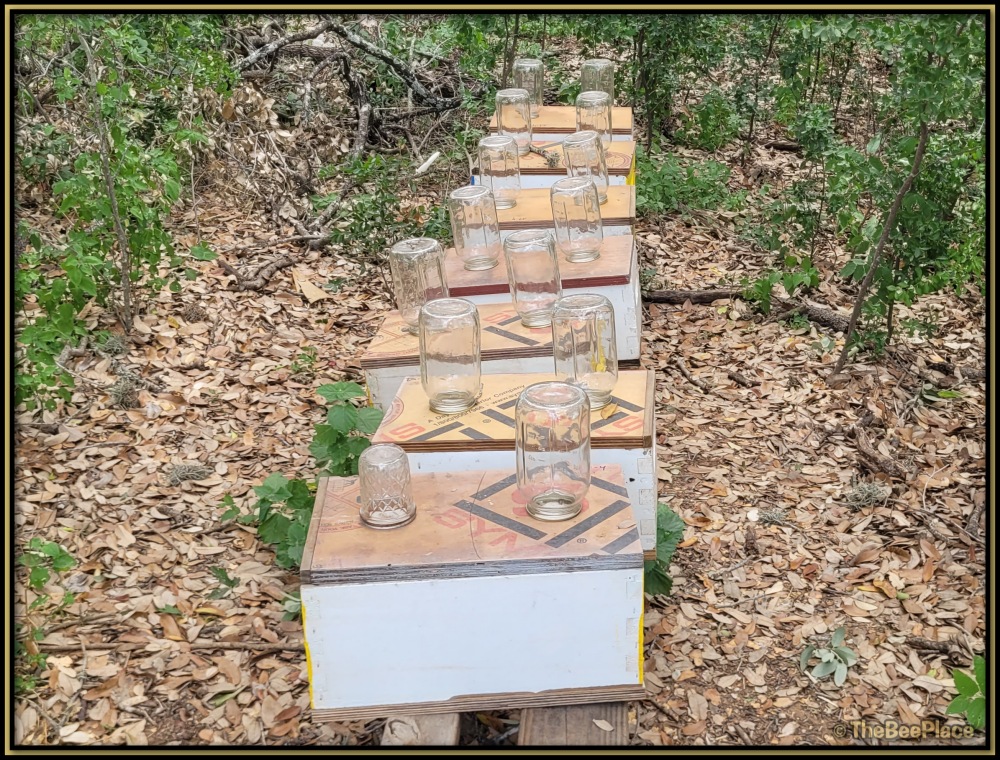
Why Use Mating Nucs?
Using smaller nucs allows multiple queens to be raised and evaluated simultaneously without risking full production colonies.
It also allows closer observation of:
- Mating success
- Brood pattern quality
- Temperament
- Early laying performance
Only queens that meet performance standards move forward.
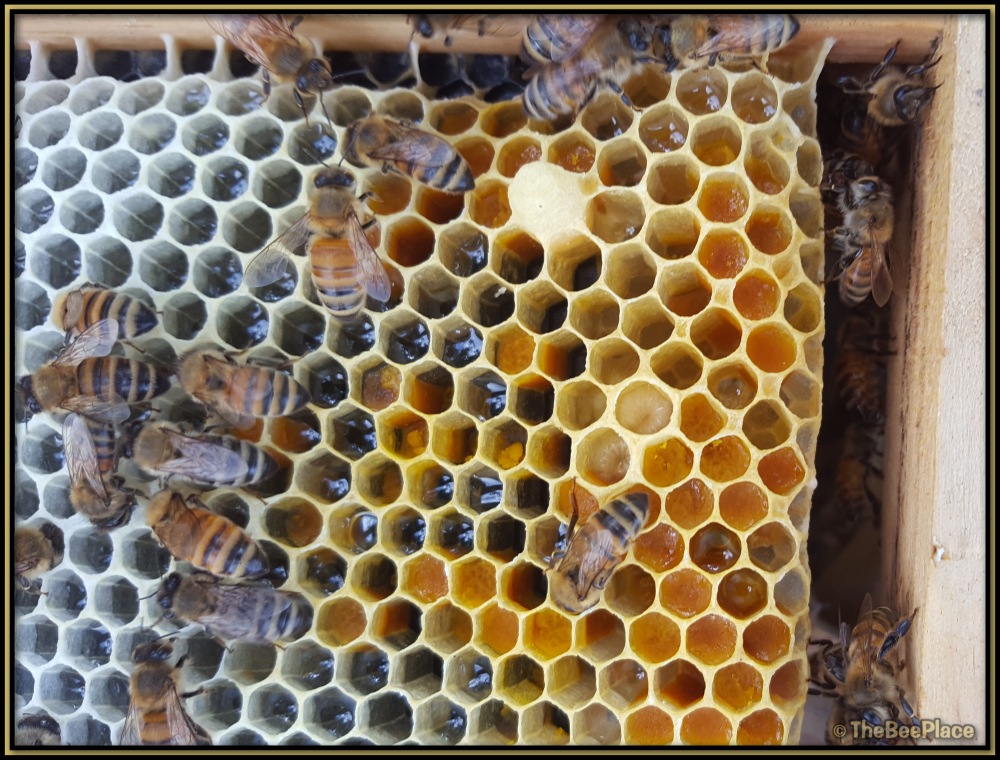
Proving Herself
After mating, a queen must demonstrate consistent egg laying and a solid brood pattern.
A strong, well-mated queen produces:
- Tight, uniform brood patterns
- Consistent worker production
- Balanced colony behavior
If a queen fails to meet expectations, she is replaced. This is part of responsible breeding — not sentiment.
Influencing Mating Outcomes
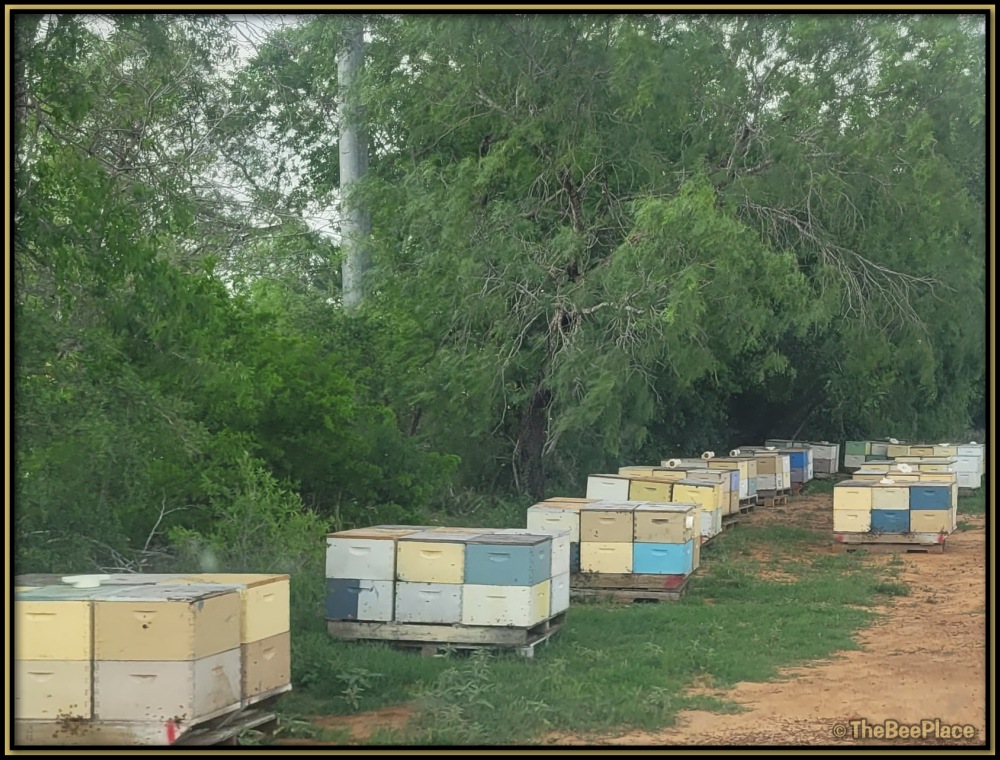
In open mating environments, queens mate with drones from surrounding colonies.
In regions with mixed or unmanaged genetics, this can lead to unpredictable results.
For this reason, some beekeepers position strong drone-producing colonies within natural flight range of their mating nucs in order to increase the likelihood of desirable genetic pairings.
This does not guarantee outcomes — but it helps influence probability.
Why This Matters
The temperament and performance of a colony often trace back to the quality of its queen.
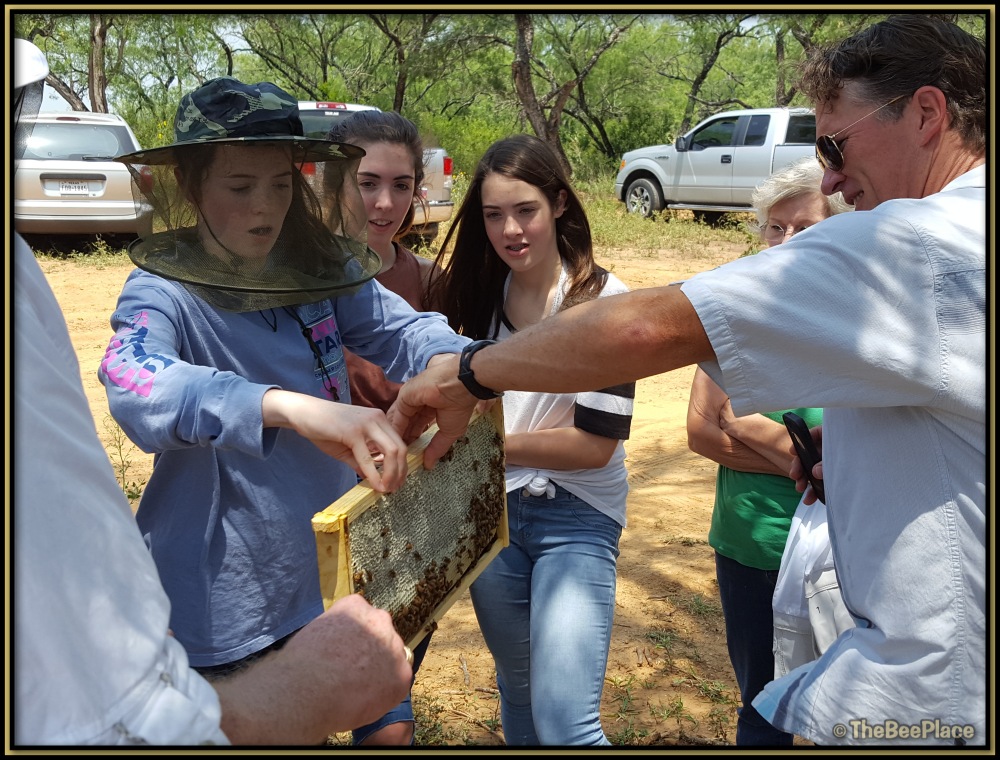
By intentionally raising and evaluating queens before introducing them into production colonies, we aim to provide stock that is manageable, productive, and suited to our local conditions.
Bees are never “mite-proof” or maintenance-free. Management and monitoring are still essential. But careful queen selection plays a significant role in long-term success.
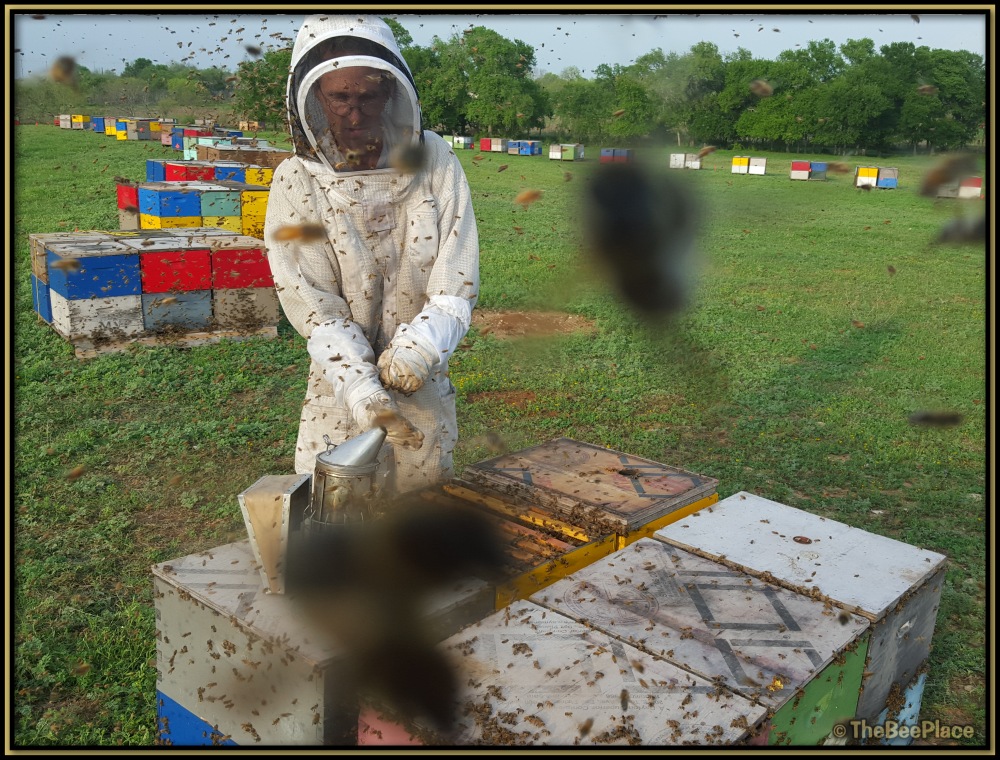
Queen breeding is both science and stewardship.
We do not control nature — but we work carefully within it.
Follow the link below for more information about our queen breeding program and selecting for the best traits:
Texan Bees
Virgin Queen
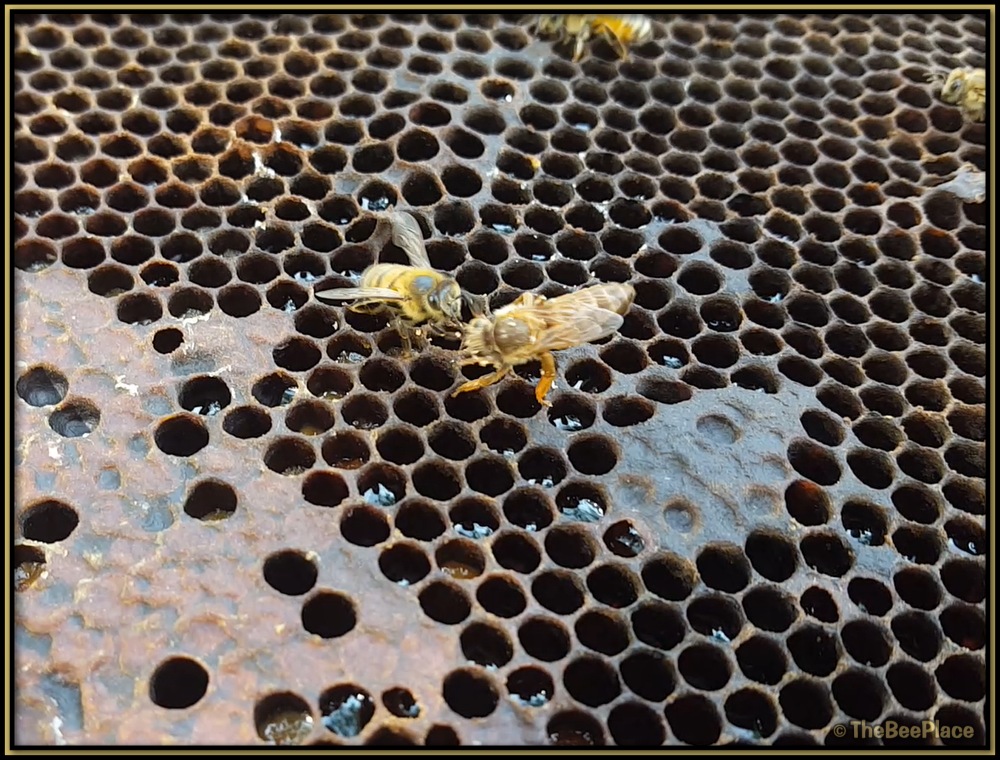
Virgin Queen feeds and explores after hatching and being confronted by a suspicious worker of the existing colony.
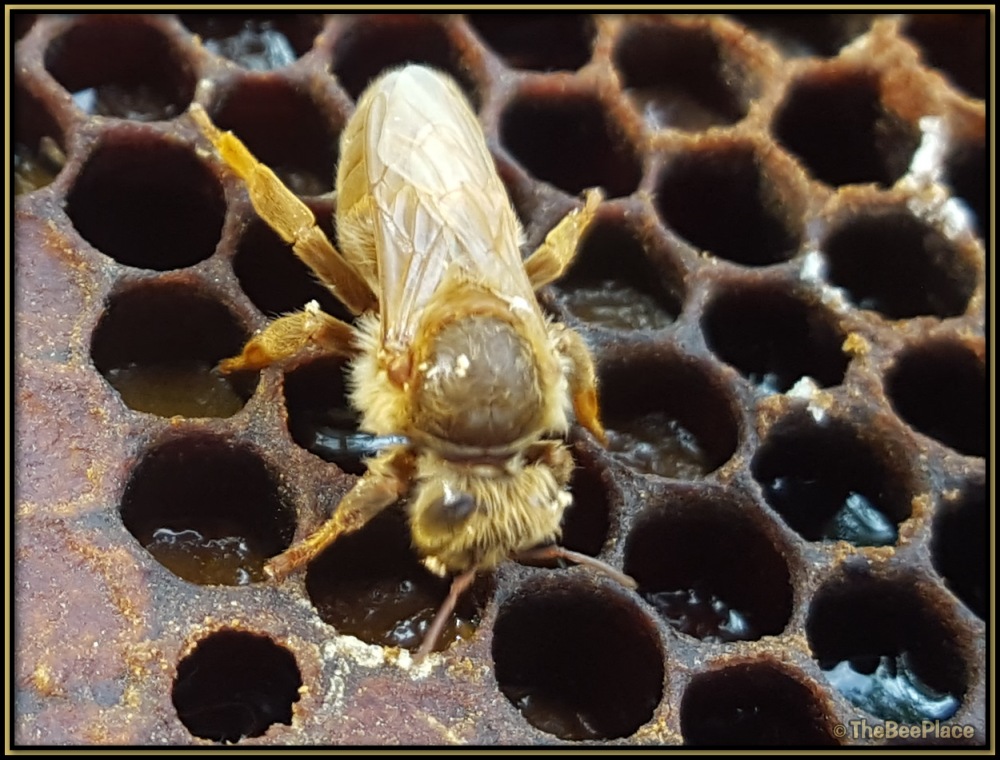
Virgin Queen - Close up
A newly emerged virgin queen takes her first meal after leaving the cell.
Notice the fine hairs covering her body — she has not yet been groomed and still appears soft and fuzzy compared to a mature, polished queen.
Workers may approach and inspect her closely, especially in the early moments. This behavior can appear rough, but it is simply the colony assessing a new and unfamiliar presence before she becomes fully accepted.
Her wings are still pristine, and her body is untouched by the wear of time — a brief stage that quickly changes as she matures and begins her role in the colony.
