Intermediate Class
Description
Intermediate Beekeeping Class — Beekeeping 201
For beekeepers with at least one full season of experience. If you are just getting started, please see our Basic Beekeeping Class.
This hands-on course is designed to help next-level beekeepers evaluate, strengthen, and grow their apiaries with confidence.
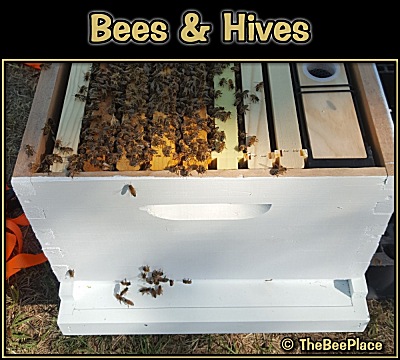
When second-year colonies reach maturity, they may be ready to split into multiple colonies or expand upward for a honey crop during nectar flow. Knowing when to split, when to equalize, when to treat, and when to harvest is essential for maintaining healthy colonies.
Ready for the Next Level?
This class is intended for beekeepers who already understand the fundamentals and are ready to expand their management skills through real-time hive evaluation and discussion.
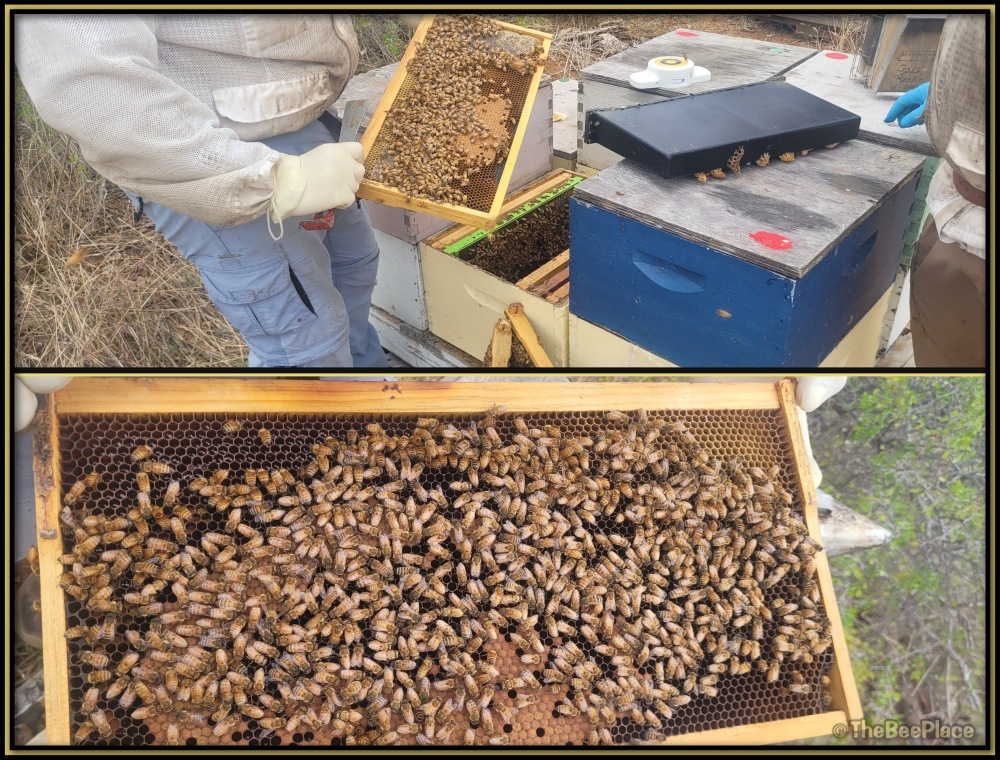
This is an outdoor, hands-on class. We will inspect working hives and discuss management decisions in real time. Protective gear is strongly recommended.
Confirmation & Final Payment
Once registered, you will receive a confirmation email with additional details.
Final payment is due prior to the class date.
Space is limited. Pre-registration is required.
Specifications
What We Will Cover
The class will generally include, but is not limited to the following topics of demonstration:
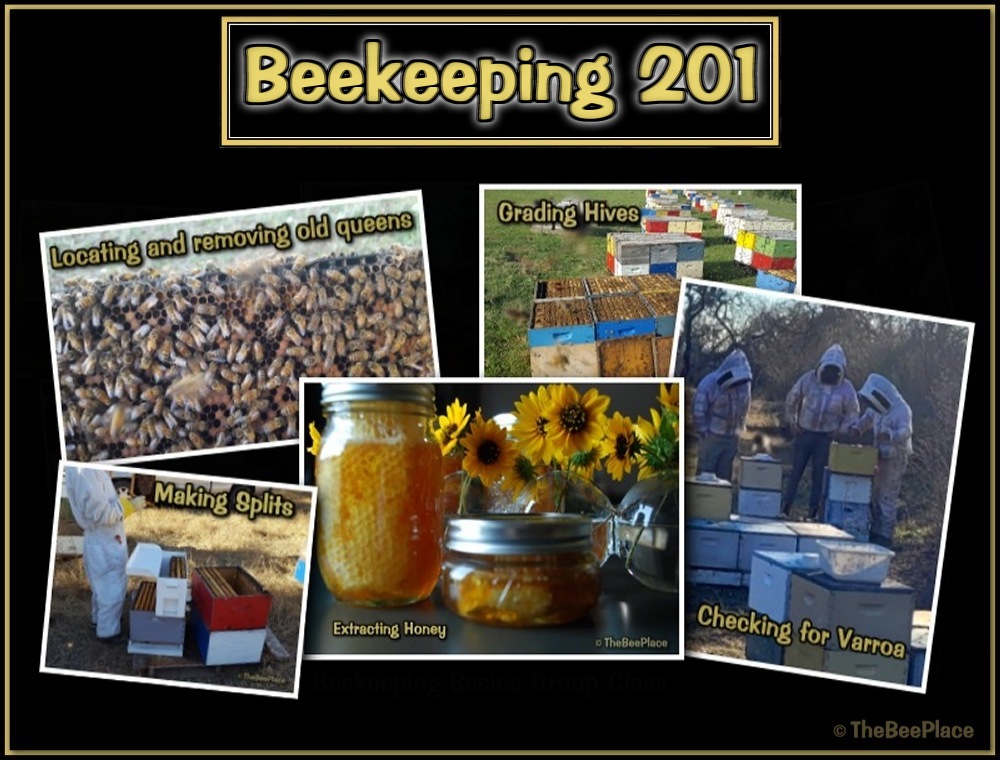
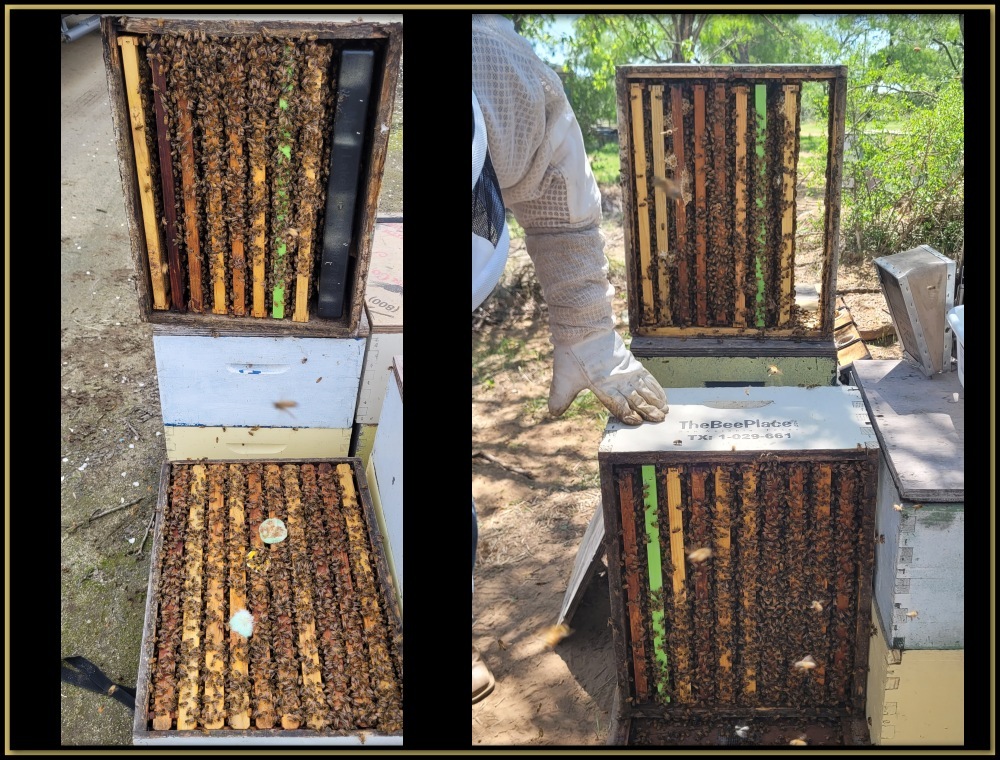
- Grading Hives
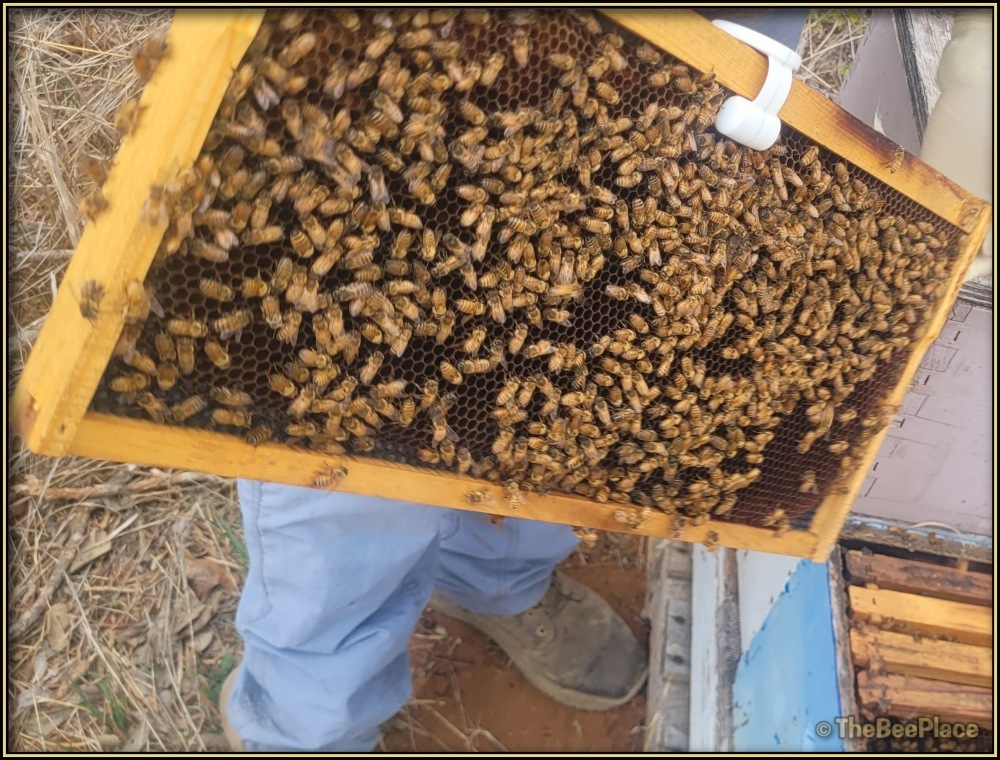
- Taking inventory of available resources in hives
- Equalizing Hives
- Borrowing resources from one colony to strengthen another
- Making Splits
- Dividing a healthy mature colony into two or more colonies
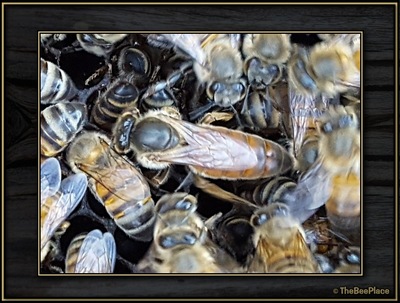
- Finding Queens
- Locating and evaluating queens
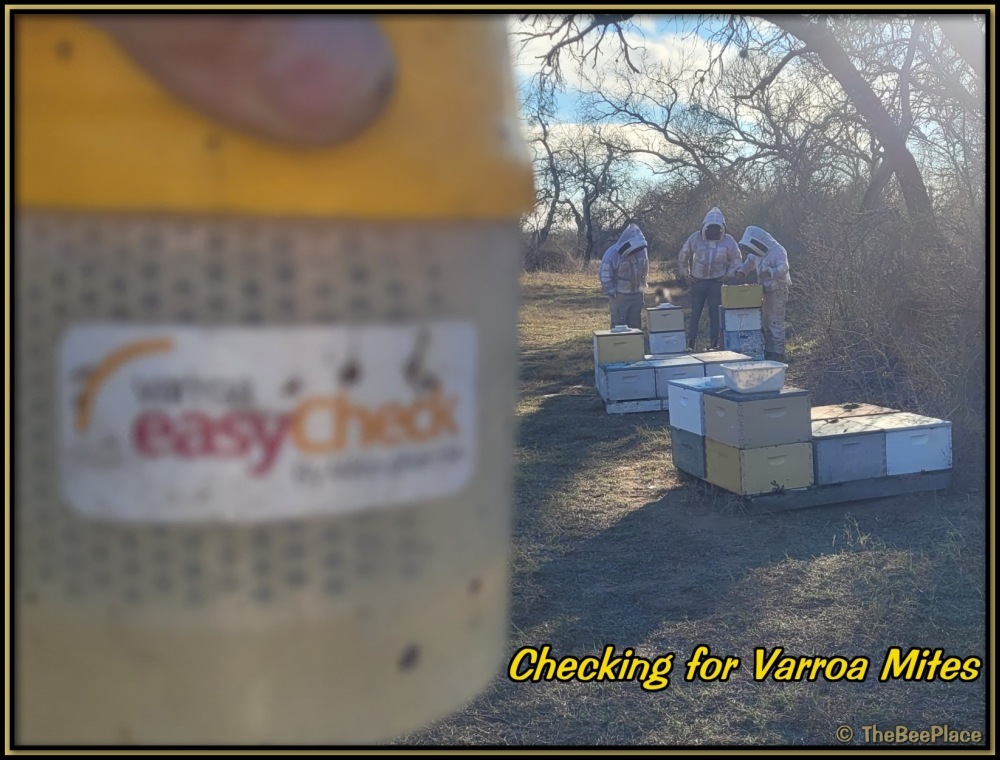
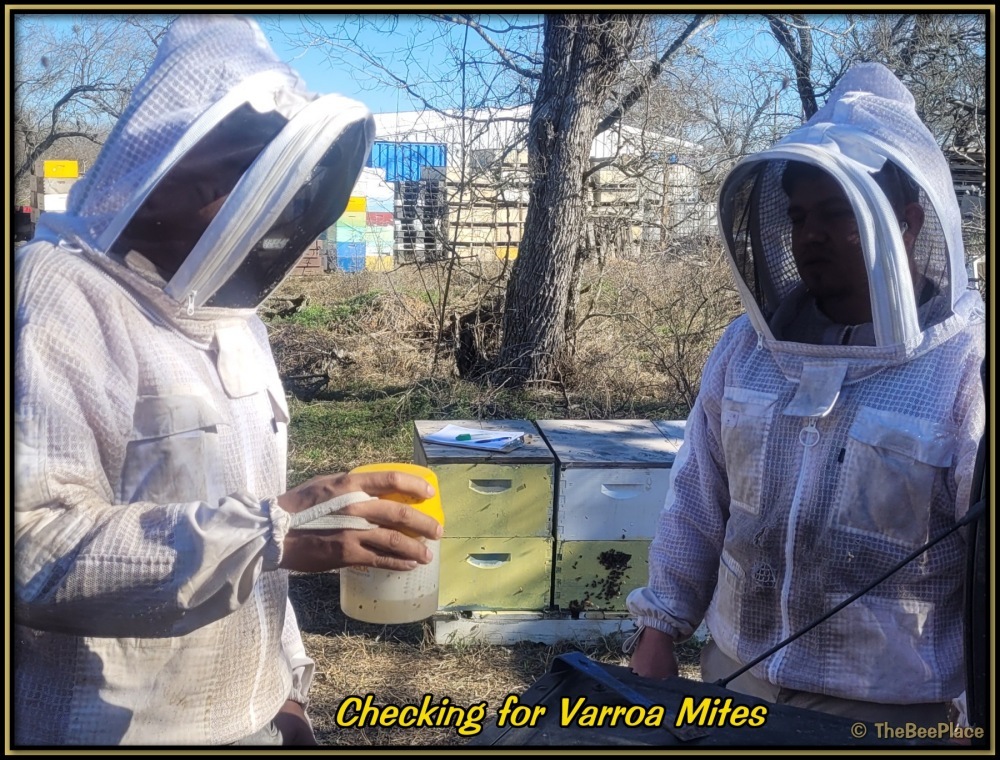
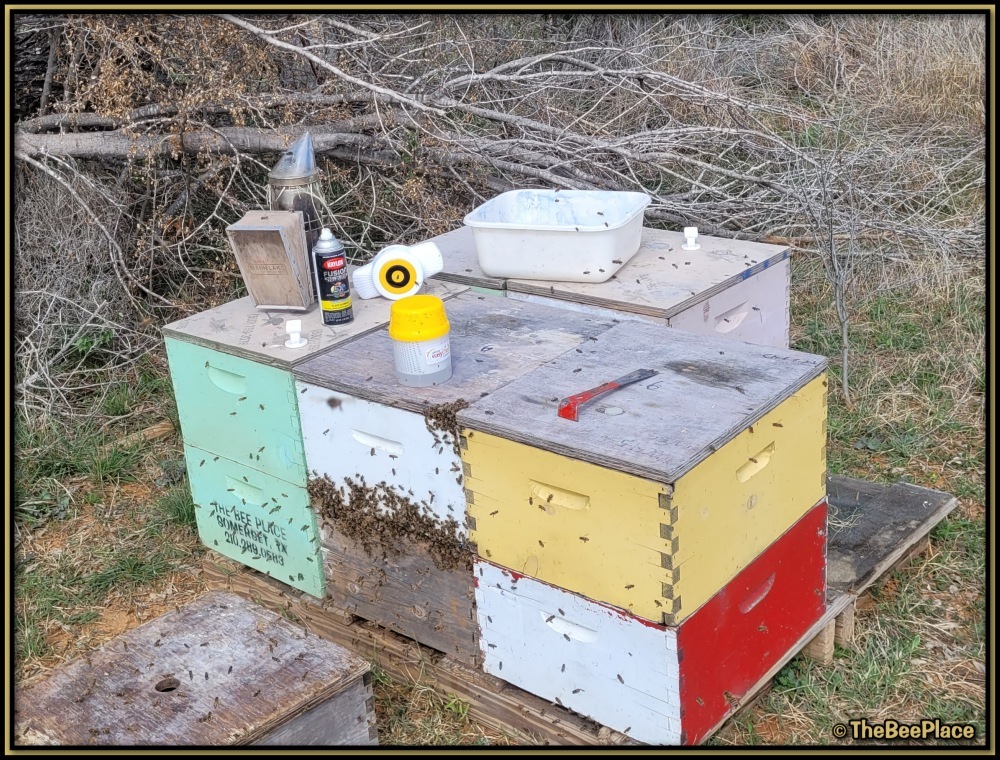
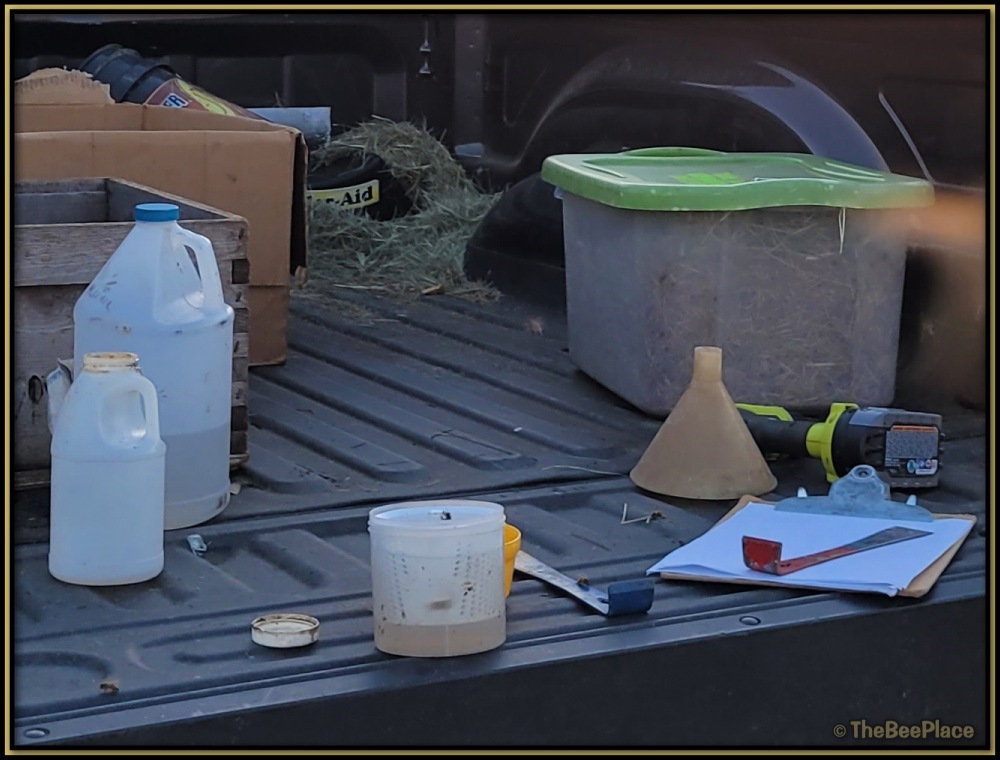
- Checking for Varroa
- Using the soapy water or alcohol wash method and probing brood
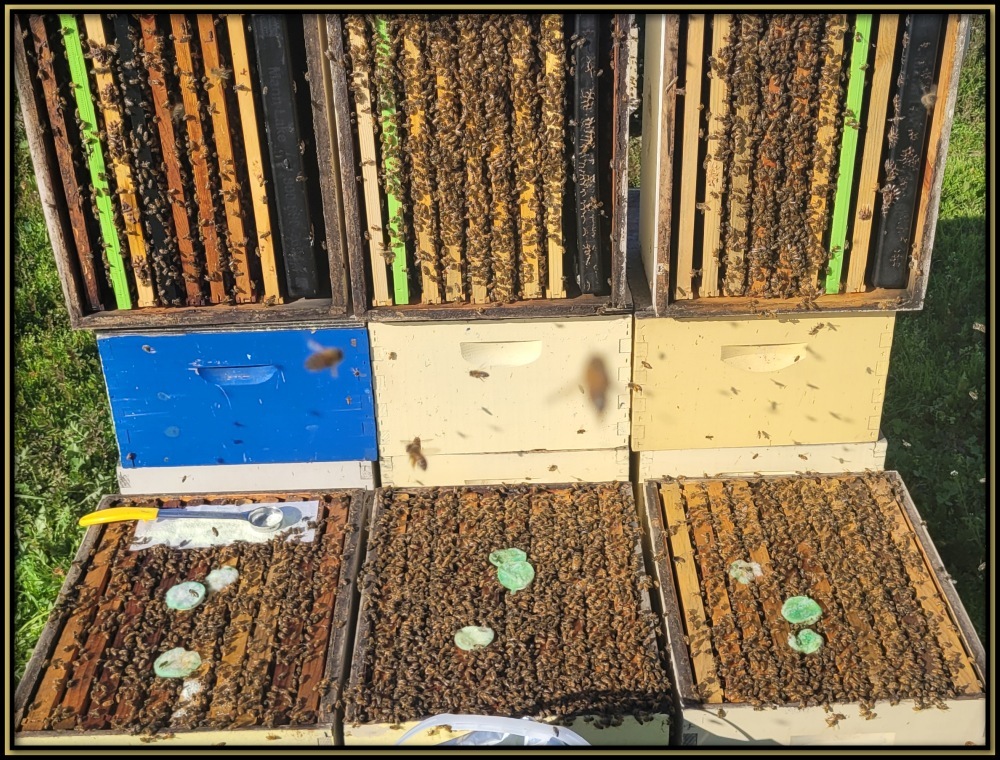
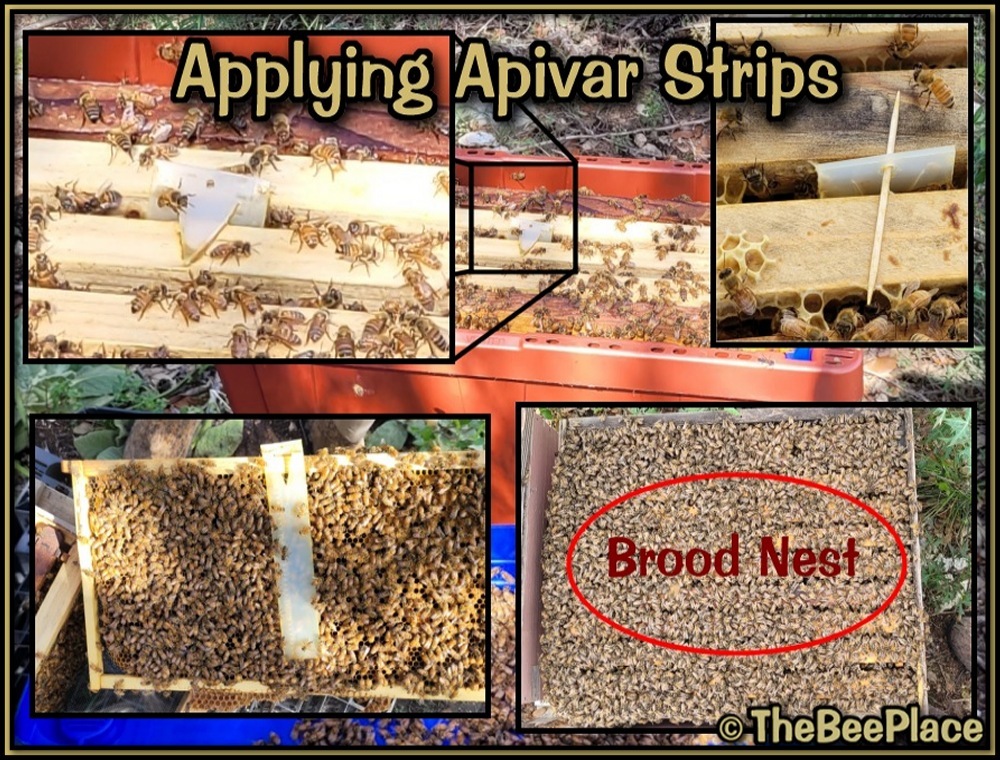
- Applying Varroa Treatments
- When to treat and how to choose the proper method
- Extracting Honey
- How much to rob and when
After the hive work, we allow time for questions, several pro tips, and open discussion.
Who This Class Is For
Who This Class Is For
This class is designed for beekeepers who have completed a good full season managing their own hive.
It is ideal for:
• Second-year beekeepers expanding their apiary
• Beekeepers preparing to make splits
• Anyone wanting more confidence in evaluating hive strength
• Those ready to deepen their understanding of Varroa management
If you are still learning basic hive inspections or equipment identification, the Basic Beekeeping Class is recommended first.
What To Bring
What To Bring
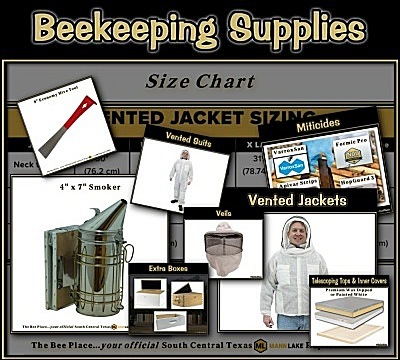
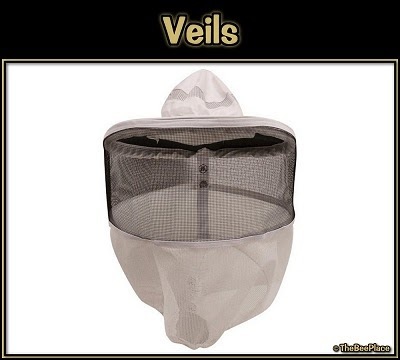
- A bee veil or suit
- A pair of gloves
- A notepad if you like taking notes
We will be working active hives and performing deeper inspections than a quick check.
What to expect
What to expect
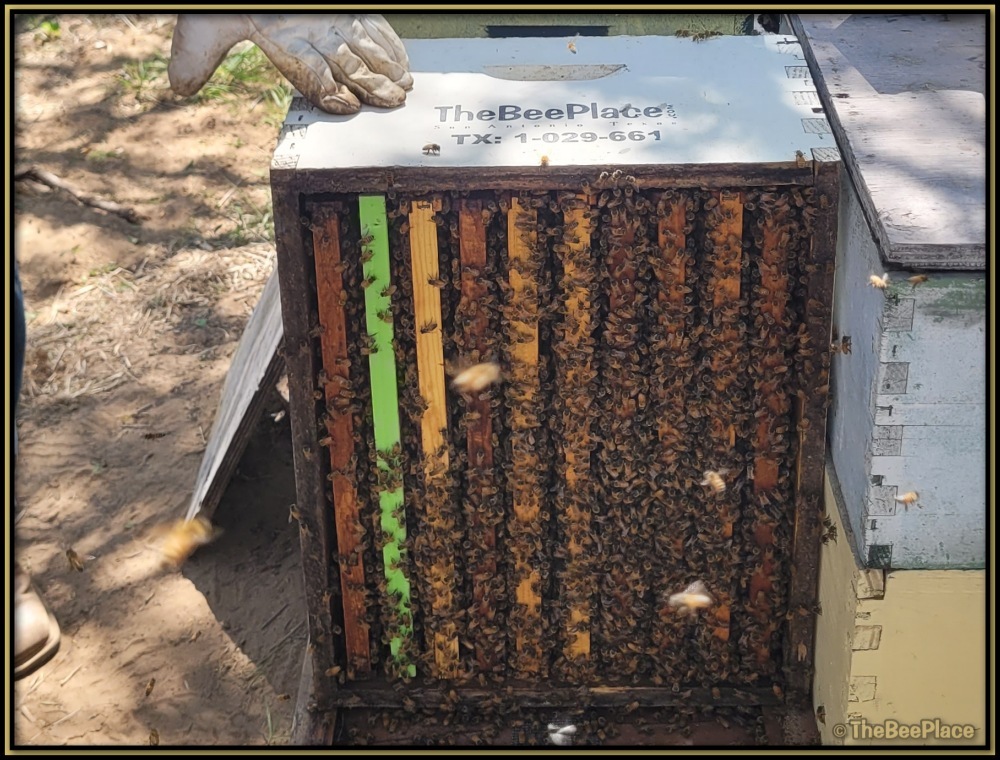
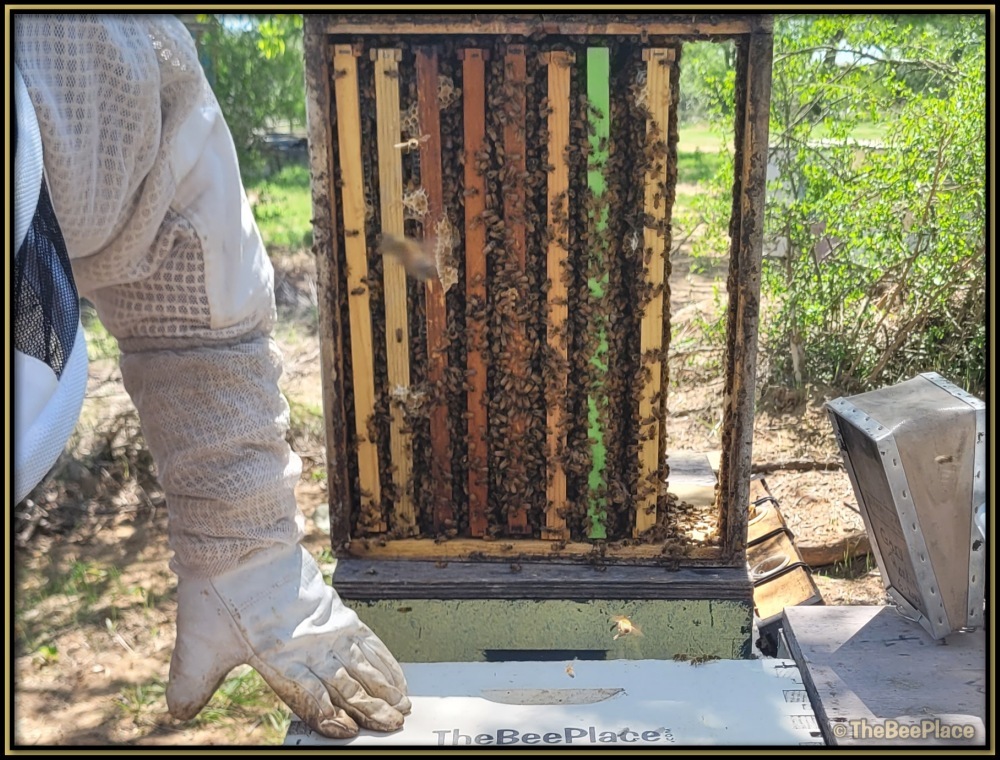
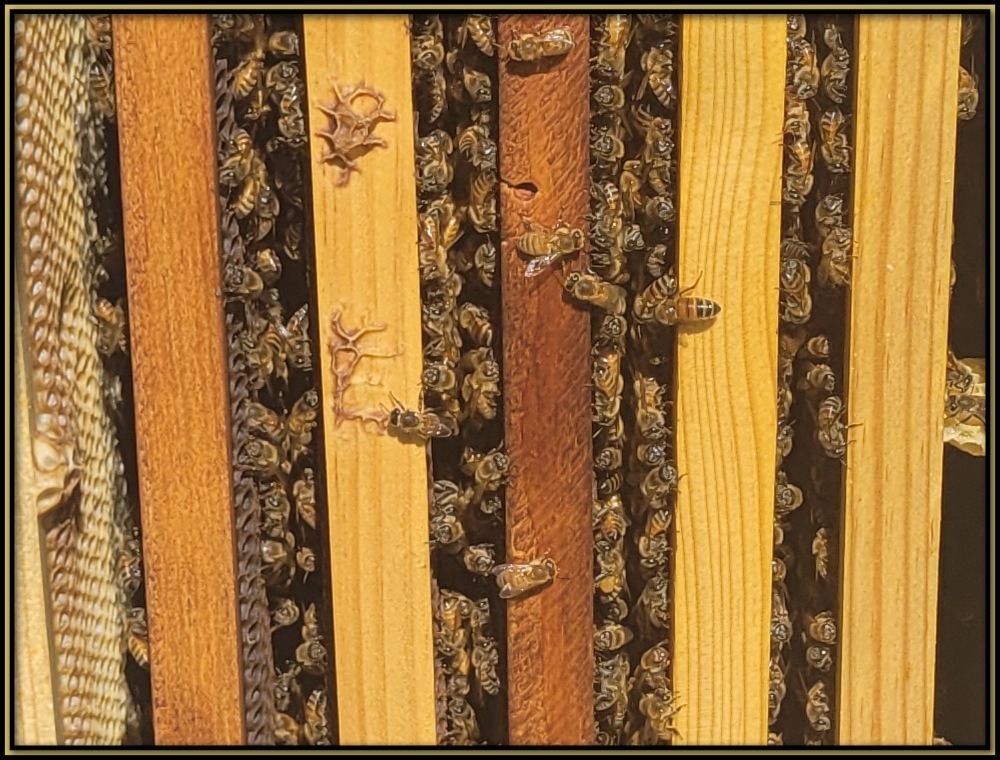
Open Hive Inspections
Additional Details
Dress for the Occasion
This class includes working around active hives. Honey bee stings are always a possibility when handling bees, and participants should be comfortable being around bees outdoors. We are a working bee farm (apiary), so expect to see lots of bees flying throughout the day.
Please note, we do not have a walk-in store for shopping at the farm, but we do sell supplies. Ordering in advance is recommended — especially during peak season.
If you are coming to a class and need supplies, please visit the Protective Gear section and order at least a week before your class date.
Weather & Safety
Classes are weather permitting. We do not open hives in heavy rain or temperatures below 60°F.
If a storm develops during class, we have covered and indoor facilities available. While we will not open hives during inclement weather, instruction and discussion will continue safely.
Children & Families
We welcome families and young people interested in learning about bees.
This is a hands-on outdoor class involving active hives. Parents should determine whether their child is mature enough to participate safely and remain attentive.
Protective gear is recommended for all participants.
General Information
The Short & Sweet Fine Print
All orders are subject to the availability of raw materials. All prices are subject to change without notice.
All Hives, Bees, Parts and Supplies are Local Pick Up Only. Shipping is not available.
Educational content on this website is provided for general informational purposes only. It is not intended as veterinary, agricultural, or legal advice.
Beekeeping practices vary by region, climate, and experience level. By consulting appropriate local resources and professionals when making management decisions often produces the desired and best results.